12 October 2026
Why Musty Smell Remediation Matters for Your Home's Health
Presented by @themustysmellremediationscope
If you have walked into your basement or a closed-up room and caught that damp, earthy odor, you know the feeling. It is not just an unpleasant smell. That musty scent is almost always a sign that moisture and mold have moved in. Ignoring it can lead to bigger problems, from damaged drywall to respiratory issues. Musty smell remediation is about more than masking odors. It is about finding the source of the moisture and dealing with it directly.
I have worked on homes across Boston where the old brick foundations and tight crawlspaces create perfect conditions for hidden mold. The smell is often the first clue. Homeowners might try air fresheners or open a window, but the odor returns because the underlying issue remains. Real remediation means tracking down where the dampness is coming from and stopping it at the source.
What Causes That Musty Smell?
Mold and mildew produce microbial volatile organic compounds as they break down organic materials like wood, paper, or drywall. Those compounds are what you smell. The most common culprit is black mold, which thrives in areas with persistent humidity. When your HVAC system is not balanced, or when a crawlspace lacks proper ventilation, moisture accumulates. Over time, the mold colony grows and the smell becomes stronger.
I once inspected a home where the homeowners had scrubbed the visible mold with bleach repeatedly. They thought they had solved the problem, but the musty smell always returned. The issue was that the bleach only killed surface mold. It did not penetrate the porous drywall, and the moisture source - a slow leak in the plumbing - was never fixed. That is why musty smell remediation has to address both the mold and the moisture.
Immediate Steps You Can Take
If you detect a musty odor, start by checking for standing water or damp materials. Look under sinks, around window frames, and in the basement. If the source is small, like a wet patch on drywall, you can dry it out with fans and a dehumidifier. A good dehumidifier pulls moisture from the air, making it harder for mold to grow. You should also clean the area with white vinegar or a dedicated mold cleaner like Concrobium. These products are effective without the harsh fumes of bleach.
For porous materials like carpet or drywall, cleaning alone is not enough. You may need to remove and replace them. Mold can grow deep inside, and no amount of scrubbing will get it all. That is where professional help becomes necessary.
When to Call a Professional
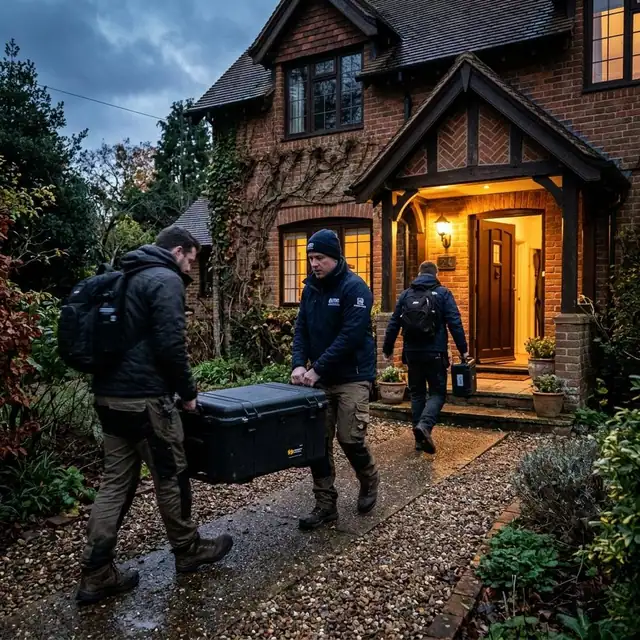
Musty smell remediation sometimes requires a deeper approach. If the mold covers more than a few square feet, or if you suspect it is inside your HVAC system or crawlspace, bring in a company like Mold Inspection Consultants. They can perform an assessment and test for hidden mold. They use tools like HEPA filter vacuums and air scrubbers to capture airborne spores. A HEPA filter can trap particles as small as 0.3 microns, which helps reduce the spread of mold during cleanup.
Professionals also know how to contain the area so spores do not travel to other parts of your home. They set up negative air pressure with an air scrubber, and they wear protective gear. This is not a job for DIY if you have asthma or other respiratory conditions. Inhaling mold spores can trigger asthma attacks and other health problems.
Tools and Products for Remediation
There are several products on the market that work well for mold removal. RMR-141 is a popular choice for killing mold and mildew on hard surfaces. It dries quickly and leaves a protective layer. Microban is another option that inhibits mold growth on surfaces after cleaning. For ongoing prevention, boric acid can be used in certain areas, though it is more common for pest control than mold. An ozone generator can also help neutralize odors, but use it with caution. Ozone can be harmful to breathe, so you need to run it in an unoccupied space and air out the room afterward.
The EPA recommends keeping indoor humidity between 30 and 50 percent. A hygrometer can help you monitor levels. If your home stays above 60 percent humidity, consider installing a whole-house dehumidifier. This is especially important in Boston, where the humid summers and cold winters create condensation issues.
The Role of Ventilation and HVAC
Your HVAC system can either help or hurt your mold problem. If the system has a dirty filter or a clogged drain line, it can circulate moisture and mold spores throughout your home. Have your HVAC inspected and cleaned regularly. Using a HEPA filter in your central air system can capture spores before they spread. For crawlspaces, make sure there are vents to the outside. If the crawlspace is sealed, you might need a fan or dehumidifier to keep the air moving.
Health Implications of Ignoring the Smell
Living with mold is not just unpleasant. It can affect your health. People with asthma are especially sensitive. The spores can cause wheezing, coughing, and chest tightness. Even if you do not have asthma, prolonged exposure can lead to headaches, fatigue, and sinus infections. Children and older adults are more vulnerable. That is why musty smell remediation is not optional. It is a necessary step for a healthy home.
I recall a family in South Boston who had been smelling mold for months but had not done anything about it. Their toddler developed a persistent cough. After we found a large colony of black mold in the attic, we removed the contaminated insulation and treated the area with Concrobium. We also installed a dehumidifier in the attic. The cough cleared up within weeks. That is the kind of outcome that makes this work worthwhile.
Prevention Is Easier Than Cure
Once you have dealt with the existing mold, you need to prevent it from coming back. Fix any leaks right away. Improve ventilation in bathrooms and kitchens. Use exhaust fans that vent outside, not into the attic. Keep crawlspace vents clear and consider adding a vapor barrier on the ground. If you have an older home, be aware that lead paint may be present. Disturbing lead paint during mold removal requires extra precautions. Work with a professional who knows how to handle both hazards.
Regularly clean surfaces with white vinegar or a mold-inhibiting cleaner. Microban can be applied to surfaces after cleaning to provide ongoing protection. Do not rely on bleach alone. It is harsh and can damage surfaces over time. Plus, it does not kill mold on porous materials.
When to Test for Mold
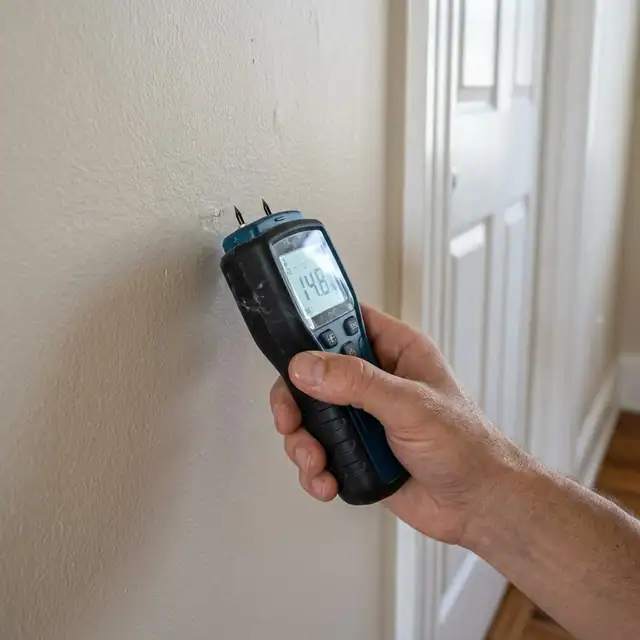
If you cannot find the source of the smell but it persists, consider having a mold inspection. Companies like Mold Inspection Consultants use moisture meters and thermal cameras to locate hidden moisture. They can also take air samples to compare indoor and outdoor spore counts. This testing helps determine if the problem is severe enough to require professional remediation. It is worth the cost if you are dealing with chronic mustiness.
In some cases, the smell might be from something other than mold, like a dead animal in the wall or a sewage leak. But more often than not, it is mold. Do not ignore it. The longer you wait, the more extensive the damage becomes.
Musty smell remediation is a process that requires patience and thoroughness. Start with the basics: find the moisture, remove the mold, and dry the area. Use the right tools and products. If the problem is large, call in the experts. Your home will smell better, and you will breathe easier.